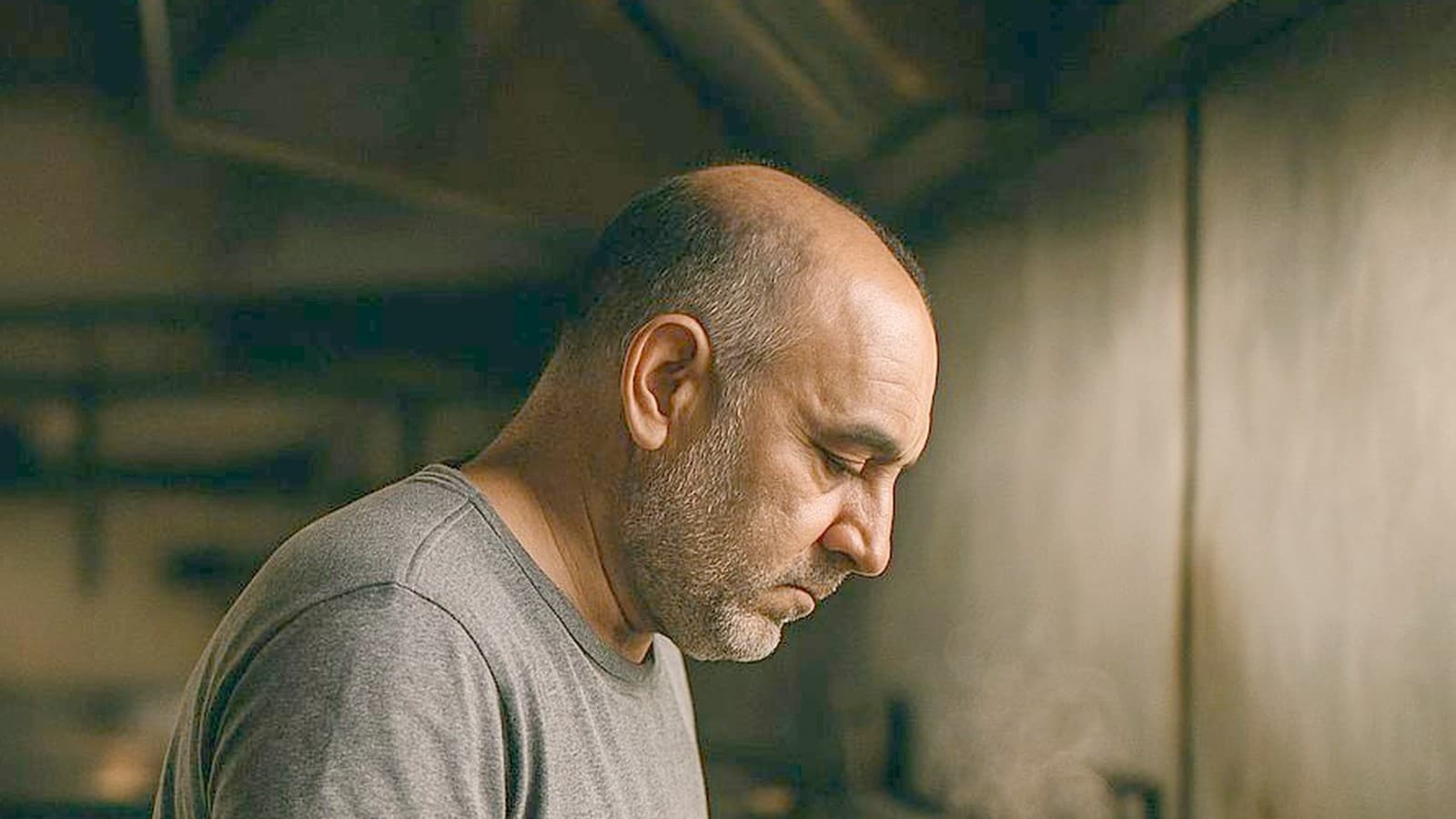
I started as a civilian cook for a contract caterer feeding a forces base. Breakfast from before six, three meals a day, every day, for a full hall of people who had been working since before I had, on a budget a head that did not move when the price of beef did. I fed soldiers. I was never one.
That is where all of this comes from. When you cook the same dish for a hall week after week, you stop guessing which part of a recipe is doing the work. You find out. You learn which bit is the flavour and which bit is just fat that ended up in there out of habit, because you have watched what comes back on the plates.
The fighters' kitchen, which is where the books come from
Then a kitchen cooking for fighters in a training camp, most of them making weight. A coach and a qualified dietitian set each fighter's numbers. I made the food hit them: fewer calories, the same protein, and still something a hungry person would want to eat in week six of a cut. The dietitian set the number, I made the food. That distinction matters and I will come back to it.
After that, product development. Ready meals and meal kits where the calories and the protein were printed on the box before the recipe existed, and the recipe had to land on them every time it was made.
That is what this series is. Years of being handed a number and told to make it taste like dinner. It is also where I learned what actually happens when you take the fat out of a dish people love, which is mostly that it gets worse. Not always, and not by much if you know which lever to pull. But the pretence that a lightened version is identical to the original is the thing that made me want to write these books.
What I'm claiming, and what I'm not
I know kitchens. I know what happens to a sauce when you take the cream out of it and I know which dishes come back from that and which ones don't. That's the authority these books rest on, and it is volume and repetition rather than fame. I'm not a celebrity chef and I have no ambition to be one.
I'm not a nutritionist, I'm not a dietitian, I don't have a qualification in either, and nothing in these books is dietary advice. The sports work is the one people get wrong, so here it is plainly: I cooked to targets that somebody qualified had set. I never set them. I never had a Michelin star and never wanted one. And I'm not Italian, or Japanese, or anyone's grandmother, which is exactly why the series is called Authentic-ish rather than something with the word traditional in it.
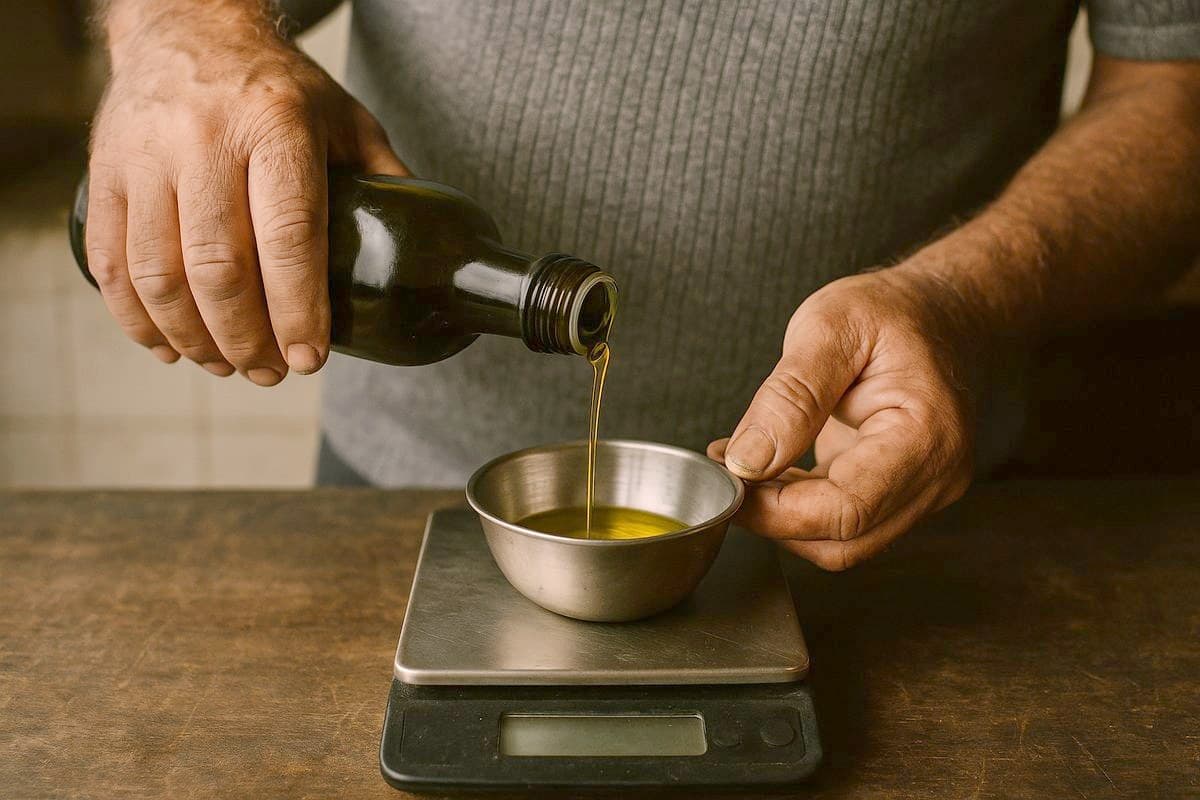
Where the numbers come from
Every calorie and macro figure in every book is computed from the actual ingredient list against three public databases: USDA FoodData Central SR Legacy, McCance & Widdowson's Composition of Foods Integrated Dataset, and a small curated set of rows from USDA Branded Foods for the handful of ingredients the other two do not carry at all. The appendix at the back of each book prints the exact row used for each ingredient, so you can check any figure you doubt.
Nothing is estimated. If a number couldn't be traced, the recipe didn't go in the book.
Two pieces go further into the method: why I cost every recipe to the gram and how every number in these books is computed.
All 17 books are on Amazon in one place, on Danny Vale's Amazon author page.