Soul Food · Authentic-ish Soul Food
Barbecue Ribs
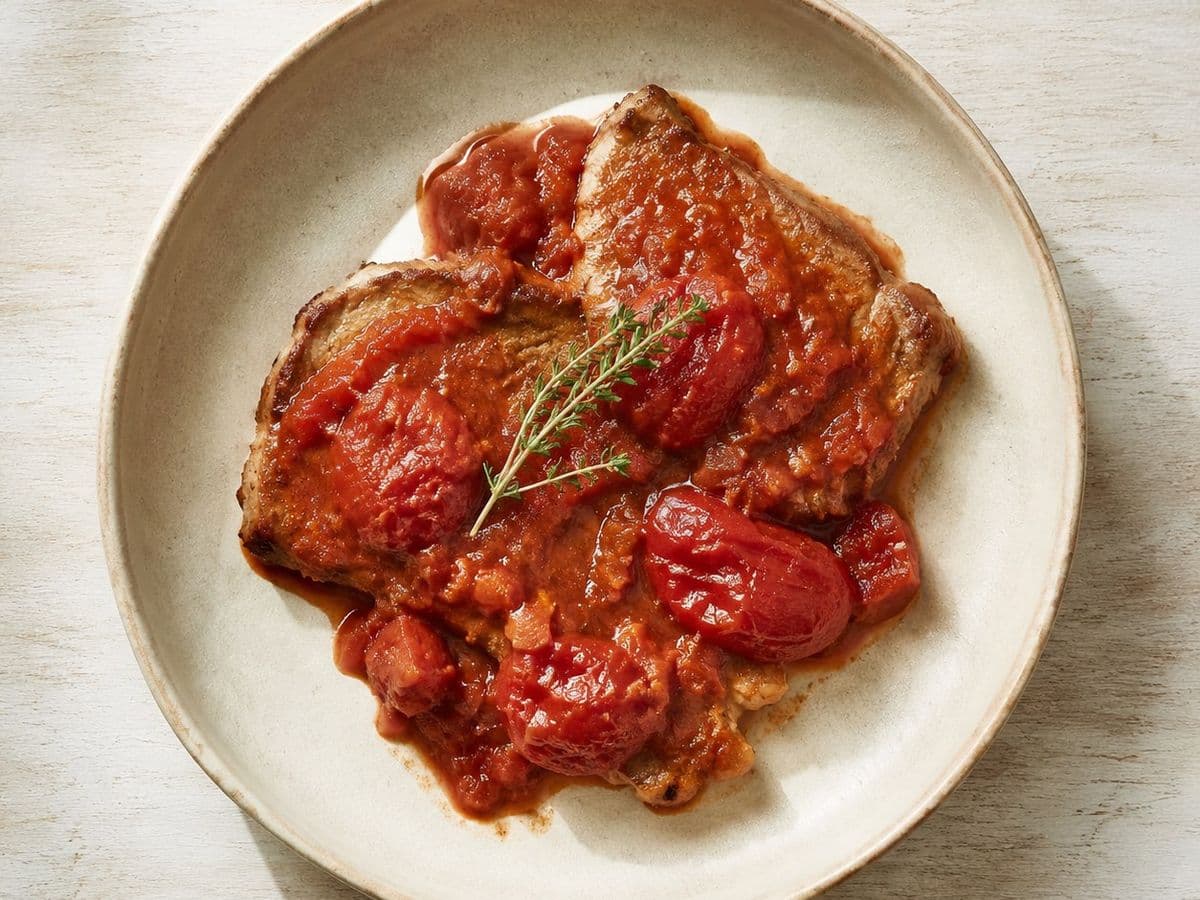
348 kcal a serving, against 809 for the traditional version. That is 461 kcal off, or 57%, with 55.2g of protein. Serves 4. 2 hours 30 minutes (plus 1 hour marinating).
What the traditional version is
Classic barbecue ribs start with pork spare ribs - usually a meaty, fatty slab. The ribs are rubbed with spice, slow-cooked, then smothered in a thick, sweet barbecue sauce (laden with brown sugar, ketchup and molasses). After the slow roast, the sauced ribs go under a hot grill or barbecue to caramelise, so you get a chewy, glossy bark and sweet, smoky meat.
What changed, and what each change costs
Pork spare ribs (shoulder with all that fat) for lean pork loin
Spare ribs pack a lot of flavour, but most of it is from layers of fat melting into the meat. Pork loin is far leaner, and if you treat it gently and cook it slowly, it actually turns out surprisingly juicy - if not quite the same caveman experience.
What it costs you. You lose the buttery mouthfeel and a bit of that classic rib chew. If you're after a bite that leaves your lips shiny, look elsewhere. But you get much more meat for your forkful instead of fat.
Sticky brown sugar barbecue glaze for a vinegar-and-tomato mop
Most of the sugar in ribs isn't in the meat, it's in the sauce. Swapping the thick caramelised glaze for a sharp, thin mop slashes the sugar and makes the meat taste properly porky.
What it costs you. You don't get the lacquered, finger-sticking surface. The outside is just spiced and a bit tangy, not glossy. The mop doesn't really stick, so you'll need to reapply or just give up and eat with a knife and fork.
Classic rub for a protein-spiked rub using whey protein powder
I add a bit of whey protein to the dry rub. It adds a touch of crust (really) and nudges the protein up, though it's not traditional and it'll never taste like pork fat.
What it costs you. There's a very faint dairy note if you sniff hard, but it's masked by mustard and paprika. Don't use the fancy vanilla protein or you'll only make it worse.
No basting butter - just spray a bit of olive oil to help the rub stick
Some recipes slather the ribs in butter or more oil before the rub, supposedly to help the bark form and the flavours meld. I just spray with a bit of olive oil and let the heat do the work.
What it costs you. The bark is lighter, but not remotely greasy. No one but a purist will complain.
What goes in it
The ingredients, without the quantities. The weights are what the figures below are computed from, and they are in the book.
- Pork loin
- Olive oil
- Paprika
- Black pepper
- Salt
- Garlic
- Prepared mustard
- Whey protein powder
- Tinned plum tomatoes
- Vinegar
- Water
How it starts
- Slice the pork loin into strips about 4cm wide, so they resemble boneless ribs.
- Mix paprika, black pepper, salt, whey protein, and half the mustard and garlic in a bowl to make your dry rub.
- Spray the pork 'ribs' with olive oil, then coat generously in the dry rub.
The rest of the method, and every weight, is in Authentic-ish Soul Food.
The numbers
| Per serving | Traditional | Lightened |
|---|---|---|
| Calories | 809 | 348 |
| Protein | 52.6g | 55.2g |
| Fat | 54.4g | 11.4g |
| Saturated fat | 18.8g | 2.9g |
| Carbohydrate | 24.9g | 3.8g |
| Protein per 100 kcal | 6.5g | 15.8g |
Every figure is computed from the recipe's own weighed ingredient list against public food composition databases. The appendix in Authentic-ish Soul Food prints the exact database row used for each ingredient, so any number here can be checked. How every number is computed sets out the method.
Allergens. milk, mustard, sulphites.
The method is in the book
You get all the smoky, spicy, tangy flavours you want from barbecue, and the pork's actually tender if you don't overdo it. It isn't a sticky, caveman rack, it's a sheet of lean, spiced pork with the right attitude. If you're chasing the feeling of gnawing bones slick with sugar and fat, this won't fool you. But for weeknight barbecue with high-protein smugness (without telling anyone), it's surprisingly satisfying. The third bite is the one where you forgive the lack of gloss and just get on with dinner.
The quantities and the method for this dish are in Authentic-ish Soul Food, along with 50 more. It is not out yet. The swap kit is free in the meantime.
More from Authentic-ish Soul Food
- Chitterlings, 358 kcal a serving, 27% off
- Neck Bones, 588 kcal a serving, 19% off
- Hog Maws, 388 kcal a serving, 33% off
- Pulled Pork Shoulder, 319 kcal a serving, 60% off
- Southern Fried Chicken, 479 kcal a serving, 58% off
- Fried Catfish, 314 kcal a serving, 41% off
Every Soul Food dish and its calories · Every dish in the series