
54 dishes from 17 cuisines, each printed twice: the traditional version first, then the lighter one, the exact changes and what each one costs you. Every dish below links to its full figures.
The centrepiece: the dish everybody waits for
Every winter on the base, from my second one on, I cooked Christmas dinner for a full hall. The roasts came out of the ovens in relays and the gravy was made by the bucket, and it was the one meal of the year nobody complained about. Nobody asked me to lighten it either, and I didn't. These are the roasts for everything around the day: the Sunday before, the in-laws on the 28th, the small dinner for four when the big one is done. Each one trims or swaps the cut and lightens what goes round it.
From Authentic-ish British
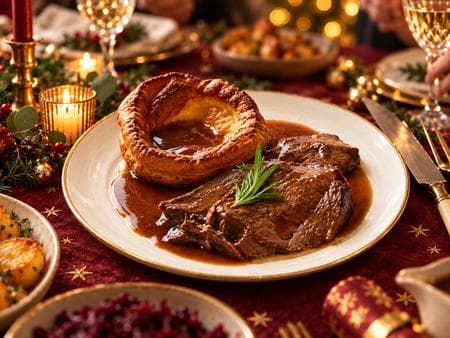
Roast Beef and Yorkshire Pudding
560 kcal, was 868 · 65.8g protein
The Christmas roast for anyone who would rather carve beef than wrestle a turkey, with a Yorkshire pudding to soak up the gravy. The original is a fatty rib roasted in dripping, with butter in the gravy. This one roasts lean topside in a measured spoon of oil, leaves the butter out, and keeps the Yorkshires, because a Christmas roast without them is just a Tuesday.
From Authentic-ish British
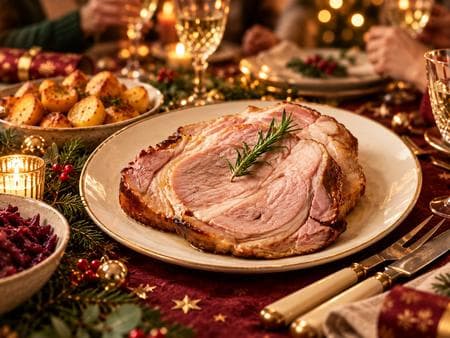
Roast Gammon
431 kcal, was 734 · 55.6g protein
Gammon is the joint that makes Christmas easy: cooked on Christmas Eve, glazed, sliced cold for a week of sandwiches and buffet plates. The classic is a fat-capped joint lacquered in enough sugar and mustard to stick to the ceiling. This version trims the cap and calms the glaze, and it still disappears faster than anything else on the board.
From Authentic-ish Polish
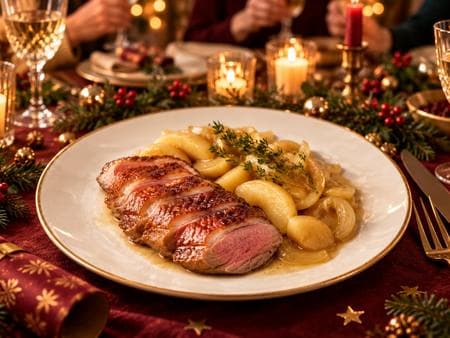
Kaczka z Jablkami Roast Duck
418 kcal, was 1186 · 40.6g protein
If goose is too much bird for your table, this is the Polish answer: duck with tart apples and onions, the apples collapsing into the juices. The original roasts a whole duck in its skin and fat. This version uses skinless duck breasts with more apple, onion and marjoram and a caraway rub, so it is quicker and far leaner. A centrepiece for four, which is what most Christmas dinners actually are.
From Authentic-ish French
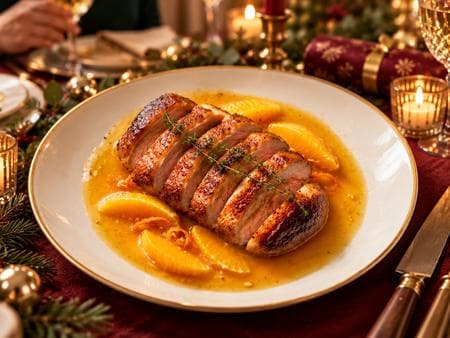
Duck a l'Orange
275 kcal, was 961 · 30.8g protein
Duck à l'orange was the smartest thing you could put on a Christmas Eve table in the 1970s, and it still looks the part. The original is skin-on duck in a buttery, sugary caramel. This one uses skinless duck breasts, cuts the sugar from 50g to 10g and leaves the butter out, and lets the oranges do the work. A centrepiece for four in 35 minutes, which on a busy December evening counts for a lot.
From Authentic-ish Jewish
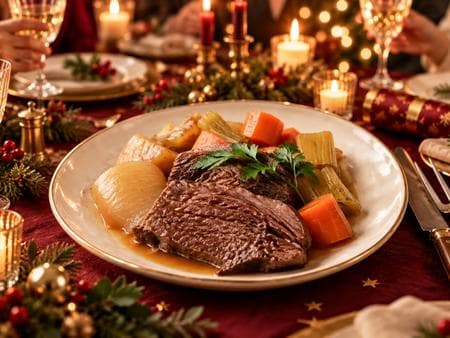
Beef Brisket
401 kcal, was 544 · 45.4g protein
A brisket braised low and slow with onions, the kind that feeds a full table and still leaves enough for the cold cuts everyone fights over the next day. The original keeps its fat cap and braises in sweet red wine. This version trims the fat, braises in beef stock with more onion and carrot, and serves 8. Make it the day before: it slices better cold.
From Authentic-ish Polish
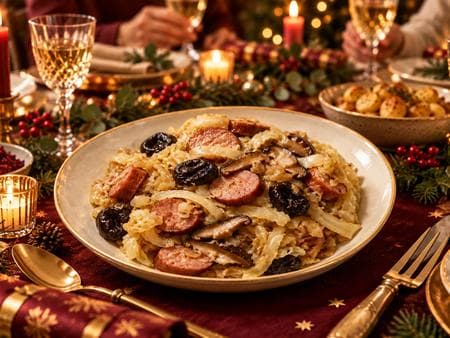
Bigos Hunter Stew
200 kcal, was 497 · 12.3g protein
Bigos sits on the back of a Polish stove through the holidays and gets better every time it is reheated. The original is heavy with pork belly, bacon and smoked sausage; this one uses lean chicken sausage and dried mushrooms. It is the answer to the 27th, when the roast has gone.
Christmas Eve: fish, dumplings and the night before
In a lot of the world the big meal is the night before. Poland waits for the first star and sits down to a meatless supper of beetroot broth, dumplings, pierogi, herring and fish. Mexico makes tamales by the dozen for the Posadas. Italian-American families cook a night of fish. This chapter is that night, from three directions, and most of it can be made ahead, which on the 24th is the whole point.
From Authentic-ish Polish
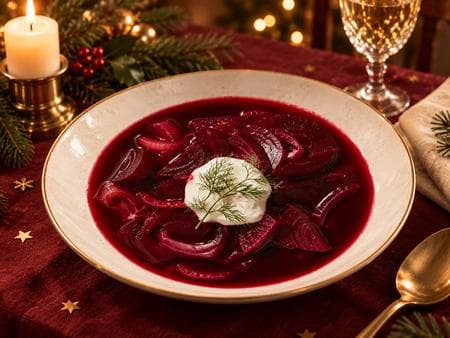
Barszcz
72 kcal, was 96 · 2.5g protein
On Christmas Eve in Poland this clear, magenta beetroot broth is poured over little mushroom dumplings, and the supper begins. The original is already light; the sugar is the only place there is much to take out. It takes 3 days, almost all of it waiting for the beetroot to sour, so start it on the 21st and the hard work is done.
From Authentic-ish Polish
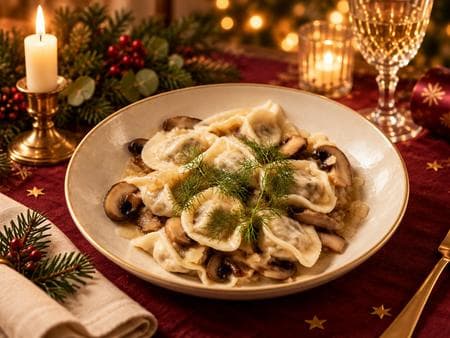
Uszka Mushroom Dumplings
309 kcal, was 360 · 11.9g protein
The little ears that float in the Christmas Eve barszcz: tiny dumplings filled with wild mushroom and onion. Traditionally there is butter in the filling and more poured over the top. These use a single spoon of oil, an egg-rich dough and twice the mushrooms. Fold them in the afternoon and cook them just before the soup goes out; they are best straight from the pot.
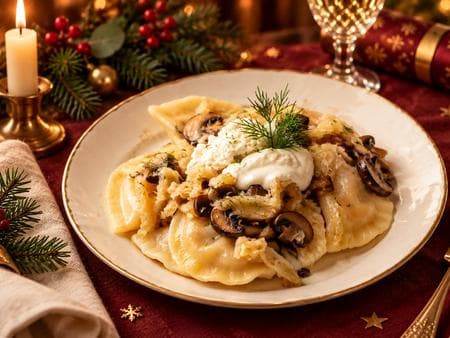
From Authentic-ish Polish
Cabbage and Mushroom Pierogi
495 kcal, was 656 · 21.1g protein
For the meatless Polish Christmas Eve supper: boiled, not fried again, with quark in the filling.
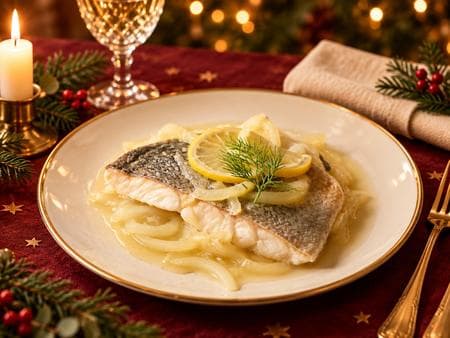
From Authentic-ish Jewish
Baked Carp with Lemon
193 kcal, was 408 · 31.4g protein
Carp is the fish of the Christmas Eve supper across Central and Eastern Europe, and of Jewish festive tables from the same part of the world. The original is baked in a good slick of butter or oil. This version swaps the carp for sea bass, drops the butter for a splash of white wine, and adds more lemon and herbs. A whole platter of fish brought to the table still looks like a celebration.
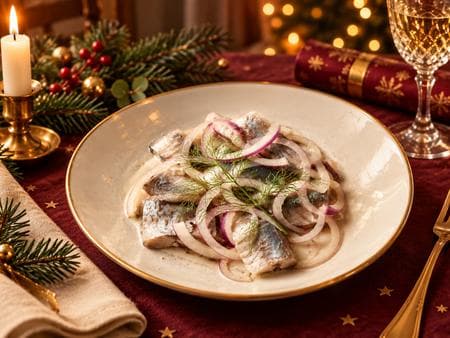
From Authentic-ish Jewish
Pickled Herring
220 kcal, was 326 · 21.7g protein
Pickled herring has a place on the Polish Christmas Eve table and in every Jewish grandmother's fridge, and either way it is meant to be made in advance. The classic is sweet, sharp and oily. This one keeps the sharpness, swaps the sugar for a sweetener, adds more onion and dill, and keeps for 4 or 5 days in the fridge, ready for a plate of rye bread when people turn up unannounced.
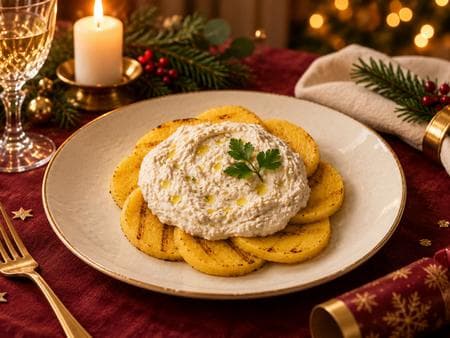
From Authentic-ish Italian
Baccala Mantecato
383 kcal, was 738 · 34.6g protein
The Italian-American Christmas Eve is a night of fish, and salt cod is the one everybody remembers. The Venetian original beats the fish with a startling amount of olive oil until it turns to cloud. This version is honest about being a cousin rather than a copy: tinned tuna instead of salt cod, Greek yoghurt instead of most of the oil. It goes on squares of crisp polenta, a starter for a crowd before the main fish course.
From Authentic-ish Mexican
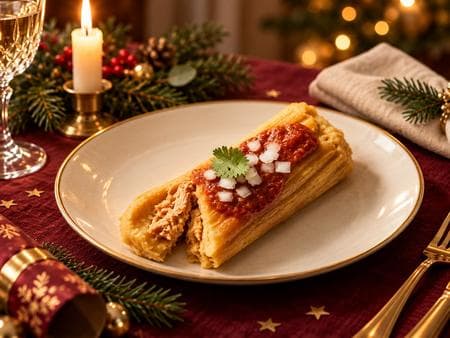
Tamales
352 kcal, was 578 · 23.8g protein
Tamales are a project, and in Mexico the project is the point: a kitchen table full of people, soaked husks and a bowl of masa, making them by the dozen for the Posadas before Christmas. The traditional masa is whipped with lard until it floats and filled with fatty pork. This version cuts the lard from 250g to 50g and fills them with chicken, and it costs you some fluffiness. It serves 10, which is roughly how many people you will need to fold them.
On the side: where the butter hides
The roast is rarely the problem. The weight on a Christmas plate sits in what goes round it: the butter in the red cabbage, the sugar on the yams, the cream in the corn pudding, the oil in the kugel. These are the sides that do the most good when they change, and several of them are better made a day or two ahead, which frees up the hob when you need it most.
From Authentic-ish German
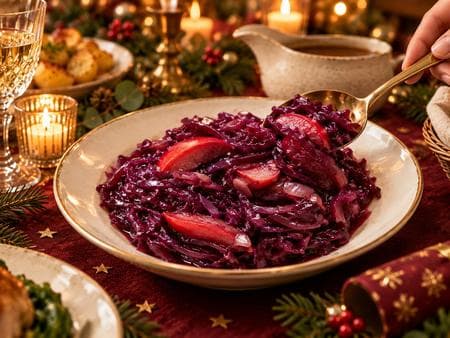
Rotkohl
147 kcal, was 227 · 3.5g protein
The German Christmas red cabbage: sweet, sour and slow-cooked with apple until it is the colour of mulled wine. The original carries a lot of sugar and butter. This one halves the sugar, drops the butter, and adds more apple. Make it two days ahead; red cabbage gets better each time it is reheated, and it frees up a ring on Christmas Day.
From Authentic-ish Soul Food
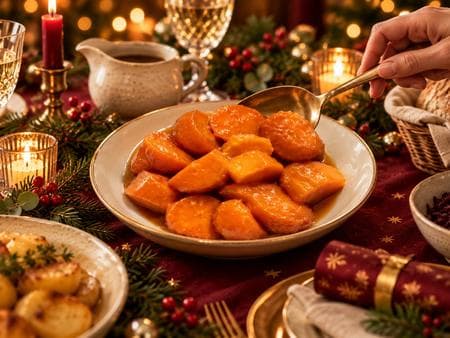
Candied Yams
191 kcal, was 412 · 3.2g protein
Candied yams belong on the holiday table in the American South, glossy and sticky and closer to pudding than to a vegetable. The original cooks them in butter and brown sugar until they shine. This version roasts them with a little oil, salt and cinnamon and lets the sweet potato supply its own sugar. It is a side now rather than a sweet, and the receipt scores it accordingly.
From Authentic-ish Southern
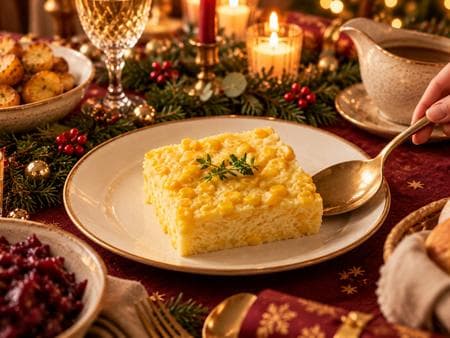
Corn Pudding
170 kcal, was 321 · 7.9g protein
Corn pudding is the Southern holiday side that holds the whole plate together, halfway between a soufflé and a savoury custard. The classic leans on cream and melted butter. This version sets the corn in a lighter custard, still bakes until golden, and serves 8, which makes it the side to bring when someone else is cooking the bird.
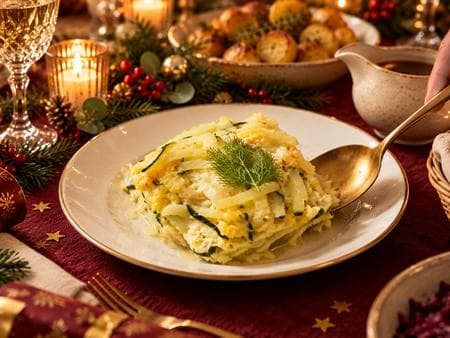
From Authentic-ish Jewish
Potato Kugel
235 kcal, was 441 · 12.4g protein
Potato kugel is the dish everybody fights over at a winter gathering, for the crisp corners rather than the middle. The traditional one is built on cheap potatoes and a lot of oil. This version swaps half the potato for courgette, cuts the oil from 175g to 20g and adds eggs, and a tray that serves 8 can be made in the morning and warmed through before dinner.
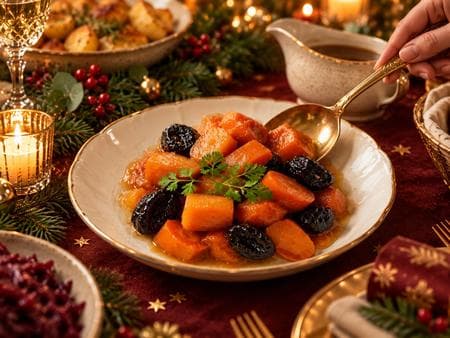
From Authentic-ish Jewish
Tzimmes
307 kcal, was 345 · 4g protein
Tzimmes is sweet roasted roots, carrots and sweet potato and prunes and honey, the Jewish festive side that never knows when to stop. The original braises them with schmaltz or beef fat and plenty of sugar. This one adds no sugar, halves the honey, uses a drizzle of olive oil, and roasts instead of braising, so the prunes and the oven do the sweetening. It sits happily next to a brisket or a roast bird at any December table, and it reheats well, which matters more in December than in any other month.
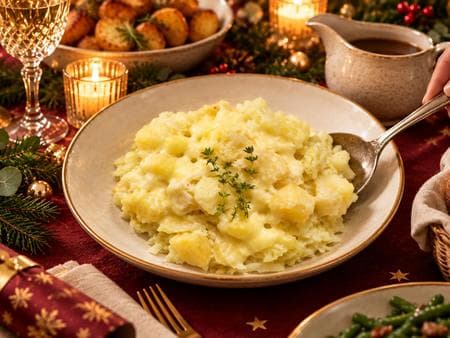
From Authentic-ish British
Rumbledethumps
243 kcal, was 420 · 7.7g protein
Rumbledethumps is the Scottish way with cabbage and potato, baked with cheese until it bubbles. It is also the best thing that can happen to the leftover potatoes and cabbage on the 26th. The original mashes in plenty of butter and cheddar; this one uses less, puts the cheese on top where you can see it, and still comes out golden.
Party plates: the ones that go first
One December in the fighters' camp, a lad had a bout booked for January and was cutting straight through the holidays. The camp still had its Christmas party, and I wasn't going to be the cook who handed him a plate of celery. So I made party food that fitted his number: skewers, dumplings, baked croquettes, meatballs in sauce. He ate with everyone else, and nobody else noticed the difference until I told them. That party is where this chapter comes from. These are the plates that go first, and most of them can be made the day before.

From Authentic-ish Spanish
Croquetas de Jamon
369 kcal, was 639 · 20.4g protein
Croquetas are the first thing to vanish at any party they are put out at: crisp outside, molten and silky inside, flecked with ham. The classic is a rich bechamel, crumbed and deep-fried. This version makes the roux with half quark, uses skimmed milk, stretches the jamón with lean ham and bakes them. Shape them a day ahead and bake them as people arrive.
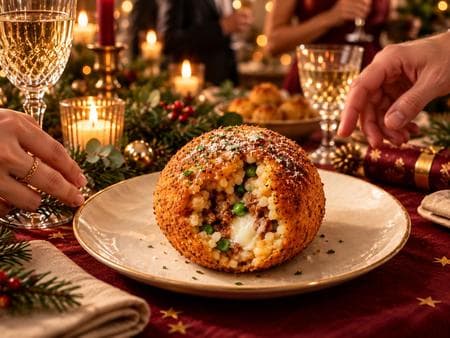
From Authentic-ish Italian
Arancini
325 kcal, was 546 · 19.6g protein
Arancini are a party in a ball: risotto wrapped round a filling, crumbed and fried until golden. Rice drinks oil, so these are baked in a hot oven instead, with leaner mince and less rice, and they are not the same as fried ones; the receipt says so. What they are is a tray of hot, crisp, filling bites that you can make in advance and bake while the drinks are poured.
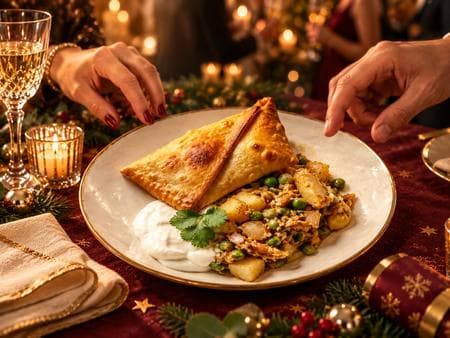
From Authentic-ish Indian
Samosa
244 kcal, was 335 · 14.2g protein
A plate of samosas makes any drinks party better. The traditional ones are deep-fried and the pastry drinks a lot of oil. This version bakes them with oil brushed on, puts chicken in the filling instead of potato, and uses yoghurt in the dough, so 3 of them before dinner won't leave you unable to face the main course. Fold them the day before.
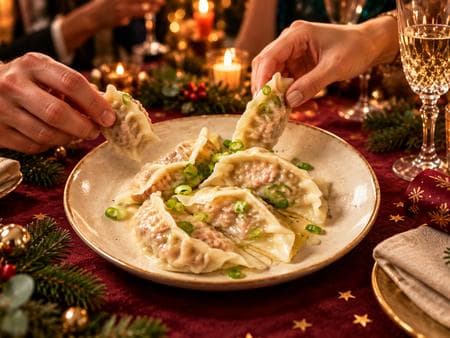
From Authentic-ish Japanese
Gyoza
256 kcal, was 343 · 16.1g protein
Gyoza are made for sharing: a pan of them, crisp on the bottom and juicy inside, turned out onto a plate in the middle of the table. The classic filling is fatty pork mince. This version uses leaner mince and more cabbage, and they still go faster than you can make them. Fold a big batch and freeze them for the whole season.
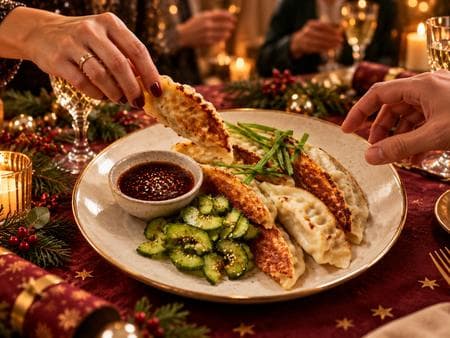
From Authentic-ish Korean
Mandu
302 kcal, was 372 · 20.5g protein
Korean mandu are plump dumplings of pork, tofu, kimchi and glass noodles, usually fried and then steamed. This version steams them only, uses lean pork loin and twice the tofu, and keeps the filling juicy. A platter of them serves 6 as part of a party spread.

From Authentic-ish Thai
Chicken Satay
365 kcal, was 625 · 39.5g protein
Chicken satay is the easiest way to feed a room of people who can't agree on anything: skewers, a bowl of peanut sauce, done. The traditional sauce is close to pure peanut and coconut cream. This version keeps the char on the chicken and makes the sauce lighter and sharper, so you can go back for seconds without regret.

From Authentic-ish Chinese
Spring Rolls
221 kcal, was 429 · 15.8g protein
Spring rolls are takeaway party food at its most irresistible, and deep-fried to a shatter. This version bakes them, which gets you most of the crunch and almost none of the grease, and the filling carries the flavour. They serve 8 on a party platter; make them ahead and crisp them up as people arrive.

From Authentic-ish Southern
Cheese Straws
239 kcal, was 296 · 8.8g protein
Cheese straws are the classic Southern party snack that vanishes before anyone has had the chance to be polite. The original is mostly cheddar and butter. This version cuts the butter from 150g to 60g and puts more cheese and pepper in, so the flavour stays loud. A tray of them with a glass of something cold is half a Christmas party already.
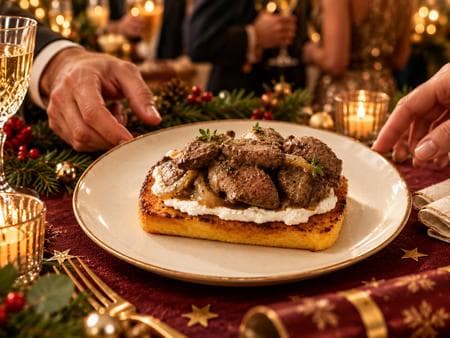
From Authentic-ish Italian
Crostini di Fegatini
335 kcal, was 438 · 20.4g protein
Tuscan chicken liver crostini are the cheapest luxury on any party table. Liver is lean and full of protein; the original then cooks it in nearly as much butter as meat and spreads it on bread. This version swaps most of the butter for light ricotta and serves it on grilled polenta, and a plate of it is the kind of thing people come back to the kitchen for.
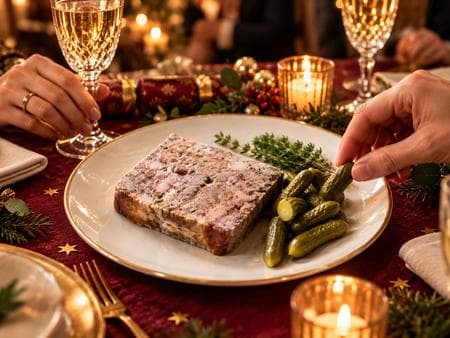
From Authentic-ish French
Pate de Campagne
140 kcal, was 270 · 22.2g protein
A country pâté is the centrepiece of a Christmas buffet, sliced thick and served with bread and pickles. The original relies on pork belly and fat for its spreadable texture. This one uses leaner meat and keeps the coarse, rustic slice. It serves 10 and has to chill overnight, so it is a make-ahead dish by design.
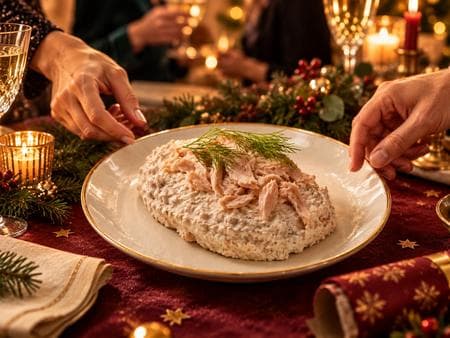
From Authentic-ish Jewish
Smoked Mackerel Pate
162 kcal, was 339 · 17.9g protein
Smoked mackerel pâté is the 15-minute party starter: blitzed smoked fish, lemon, and something creamy to bind it. The classic uses butter and cream cheese. This version uses fat-free quark, no butter and twice the lemon, and lets the fish do the talking. Serve it with rye bread and lemon wedges, and make it the morning of the party.
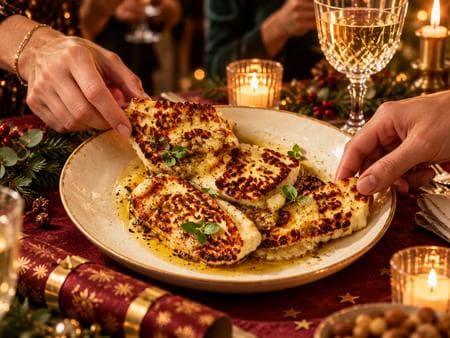
From Authentic-ish Cypriot
Halloumi sto Tigani
220 kcal, was 421 · 16.7g protein
Halloumi fried until golden and squeaking is the quickest hot snack you can put in front of a houseful of people. Traditionally it is floured and goes into a pan of oil. This version cooks it in a dry non-stick pan with no flour and smaller portions, and it is ready in 10 minutes.
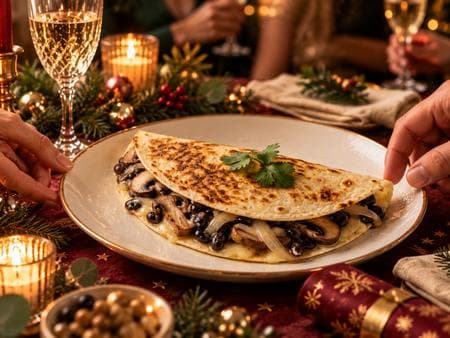
From Authentic-ish Mexican
Quesadillas
381 kcal, was 696 · 19g protein
Quesadillas are a party trick: a hot tortilla, melting cheese, cut into wedges and gone before they have cooled. The original fries them in oil around a lot of cheese. This version uses a dry pan and less cheese, and bulks the filling out with mushrooms and black beans, so a plate of them can feed a crowd without becoming the whole evening's food.
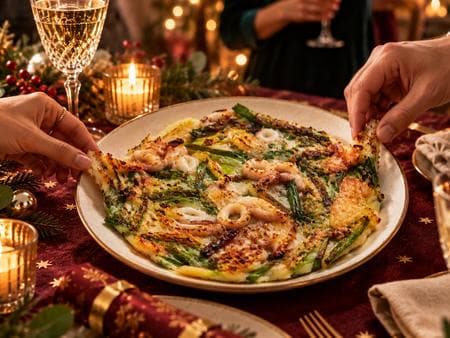
From Authentic-ish Korean
Haemul Pajeon
362 kcal, was 406 · 26g protein
A seafood and spring onion pancake, crisp outside and soft inside, cut into squares for a party table. The original is fried in a lot of oil. This version uses gram flour, more egg and twice the prawns, and fries in far less oil. Make them as people arrive; they are best straight from the pan.
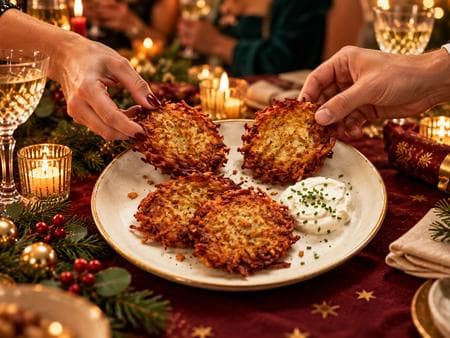
From Authentic-ish Jewish
Potato Latkes
285 kcal, was 408 · 10.3g protein
Latkes are the taste of Hanukkah: shredded potato and onion fried in oil, for the oil that lasted eight nights. Most of the oil stays in the pan, but enough comes out with them to matter. This version swaps half the potato for courgette, adds gram flour and a little tofu, and fries them in a non-stick pan with less oil. Serve them with apple sauce and yoghurt.
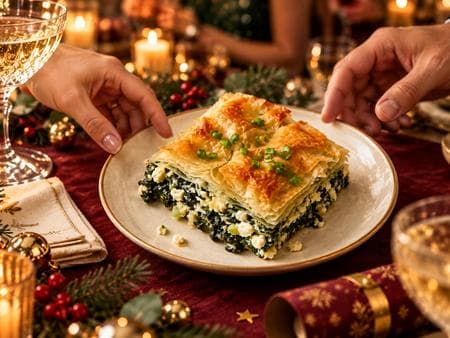
From Authentic-ish Greek
Spanakopita
305 kcal, was 447 · 16.8g protein
Spanakopita looks like the healthy thing on the buffet, and it isn't: every sheet of filo is painted with oil and the middle is packed with feta. This version cuts the oil from 150g to 40g, swaps half the feta for ricotta and adds egg white. Cut into small squares it serves 8 as a party plate.
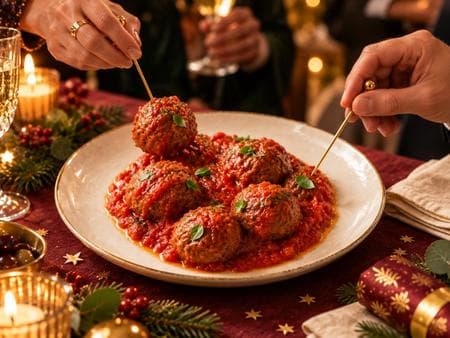
From Authentic-ish Italian
Polpette al Sugo
305 kcal, was 479 · 28.4g protein
Proper Italian meatballs are soft enough to fall apart under a fork, which makes them perfect for a party: a pot of them in tomato sauce with cocktail sticks on the side. This version uses lean beef and turkey and bakes them instead of frying, and keeps them tender. Make them the day before; they are better reheated.
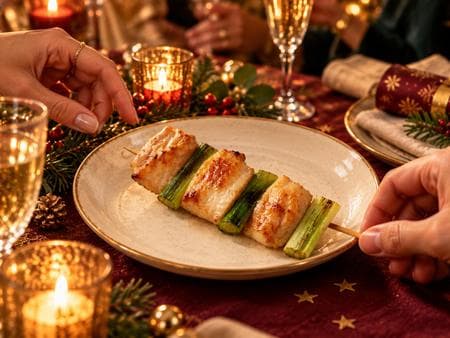
From Authentic-ish Japanese
Yakitori Negima
234 kcal, was 355 · 29.6g protein
Yakitori negima is chicken and spring onion on a skewer, glazed with a sweet-salty sauce, the Japanese drinking food that turns any party into a good one. This version uses leaner chicken and a lighter glaze, and they cook in minutes under a hot grill.
New Year: luck, mostly
New Year is when a lot of the world eats for luck. In the American South it is black-eyed peas for coins, greens for money and cornbread for gold. In Japan it is mochi. Wherever you are, it is also the morning after a long night, which is why these are the gentlest dishes in the book.
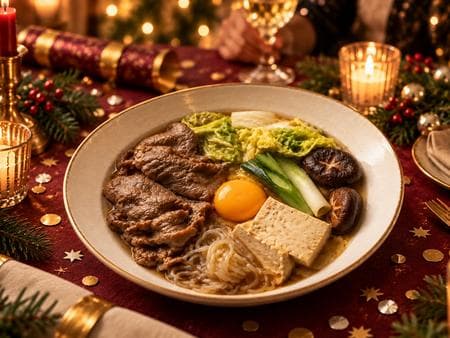
From Authentic-ish Japanese
Sukiyaki
494 kcal, was 649 · 47.6g protein
A pan bubbling in the middle of the table, thin beef, tofu, vegetables and noodles, everyone cooking their own: sukiyaki is the dinner for New Year's Eve when nobody wants to stand at the stove. The broth is sweet; this version cuts the sugar and uses leaner beef, and the show stays exactly the same.
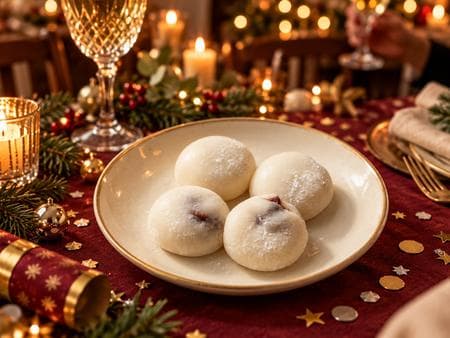
From Authentic-ish Japanese
Mochi
272 kcal, was 351 · 8.7g protein
Mochi are eaten all year in Japan, but above all at New Year, when they are made and sold everywhere. Soft, chewy rice cakes, usually filled with sweet red bean paste. This version swaps a third of the rice for silken tofu and cuts the sugar in the filling by a third, and the receipt says how close the chew gets.
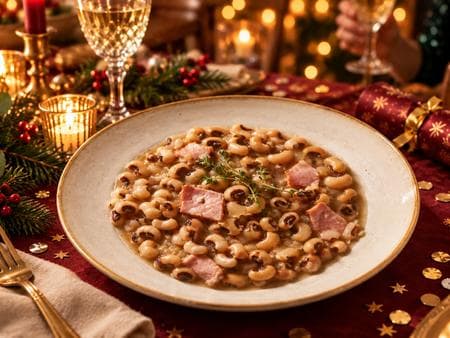
From Authentic-ish Soul Food
Black-Eyed Peas
367 kcal, was 418 · 26.7g protein
Black-eyed peas on New Year's Day are for luck in the American South, with greens for money and cornbread for gold. The traditional pot gets its smoke and richness from pork belly. This version uses a leaner smoked meat, keeps the smoke, and makes a pot for 6 to start the year.
From Authentic-ish Soul Food
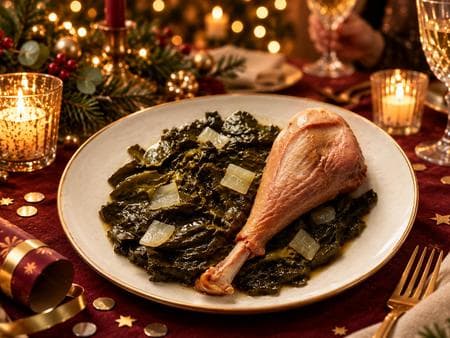
Collard Greens with Smoked Turkey
178 kcal, was 210 · 26.4g protein
Greens on New Year's Day are the money part of the Southern good-luck plate, stewed until they give up and served with their pot liquor. The original uses a smoky hunk of pork; this one uses smoked turkey, which gives you the smoke without the grease.
From Authentic-ish Soul Food
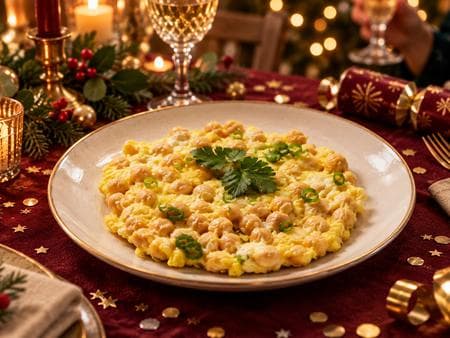
Hoecakes
252 kcal, was 364 · 7g protein
Hoecakes are the cornbread part of the New Year's Day plate: cornmeal cakes from a hot pan, crisp at the edges. Traditionally they are fried in bacon fat, and the smell alone could break a resolution. This version cooks them in a dry pan with chickpeas in the batter, and they come out soft-edged rather than crisp.
Sweet things: one slice, properly
I once had to make a festive sweet for a ready-meal range hit the figure printed on its sleeve. Every gram of sugar I took out changed how it set, and every bit of butter changed how it held together. In a cake, fat and sugar hold the whole thing up. So the sweet things in this chapter change more than the savoury ones do, and each receipt says how close it gets. On the day itself, make the real ones. These are for the fortnight of visitors either side of it.

From Authentic-ish German
Stollen
286 kcal, was 443 · 7.8g protein
Stollen is the German Christmas bread, packed with fruit and marzipan. The traditional loaf is made to keep through the season; this lighter one is best within a couple of days of cutting. Most of the butter is out, quark is in, and the marzipan heart is smaller. One loaf serves 16.
From Authentic-ish Polish
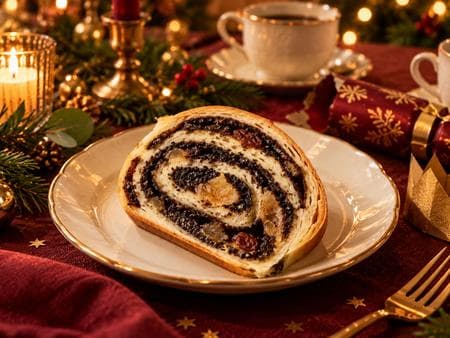
Makowiec Poppy Seed Roll
374 kcal, was 480 · 11g protein
The poppy-seed roll of the Polish Christmas table, with the butter out of the filling, apple in, and half the honey.
From Authentic-ish Jewish
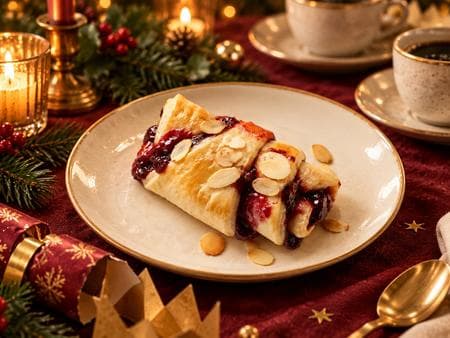
Rugelach
219 kcal, was 377 · 8g protein
Rugelach are little crescents of tangy dough wrapped around a sweet filling, and they turn up at every Jewish celebration, Hanukkah included. The traditional dough is rich with butter and cream cheese. This version uses Greek yoghurt and ground almonds, and fills them with fruit spread. Bake them the day before visitors come; they are best within 2 days.
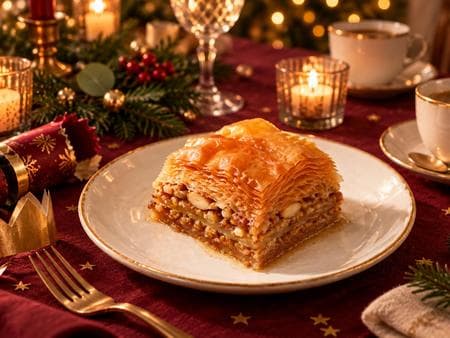
From Authentic-ish Greek
Baklava
209 kcal, was 373 · 4.6g protein
Baklava is the Greek sweet that turns up at every celebration: layers of filo, spiced nuts and syrup. The original soaks the pastry in butter and drowns it in syrup. This version cuts the butter from 250g to 40g and the syrup to a drizzle, so a small square is a treat rather than a challenge. It makes 20 pieces for a party tray.
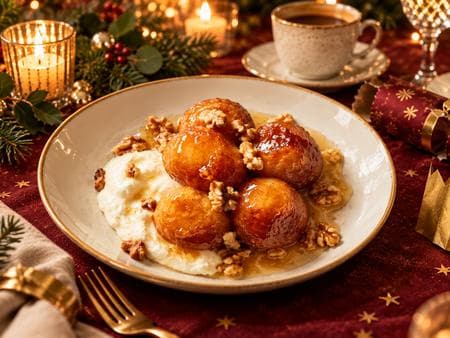
From Authentic-ish Greek
Loukoumades
186 kcal, was 428 · 6.8g protein
Loukoumades are Greek honey doughnuts, little puffs of fried dough drenched in syrup. This version bakes a yoghurt dough instead of frying, and cuts the honey and walnuts, and the receipt is honest about what that costs. A platter of them at the end of a party is still a crowd pleaser.
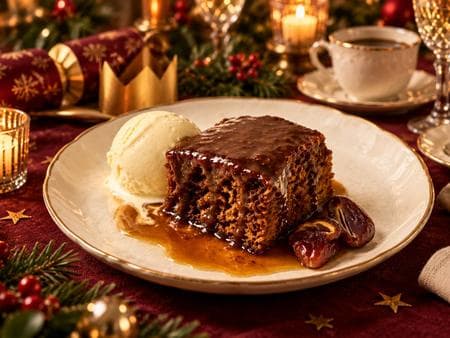
From Authentic-ish British
Sticky Toffee Pudding
444 kcal, was 669 · 7.7g protein
Sticky toffee pudding is a British winter pudding for anyone who doesn't love Christmas pudding: a date sponge soaked in toffee sauce. This version halves the butter, makes the sauce with evaporated milk instead of double cream, and cuts the sugar by a third. It is the pudding on the Christmas dinner receipt.
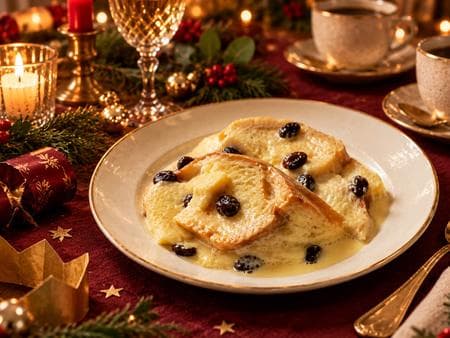
From Authentic-ish British
Bread and Butter Pudding
268 kcal, was 454 · 10.7g protein
Bread and butter pudding is the best use there is for the leftover bread of late December. The original uses a heroic amount of butter and cream. This version uses semi- skimmed milk, a thin scrape of marmalade instead of butter, and less sugar, and keeps the golden top.
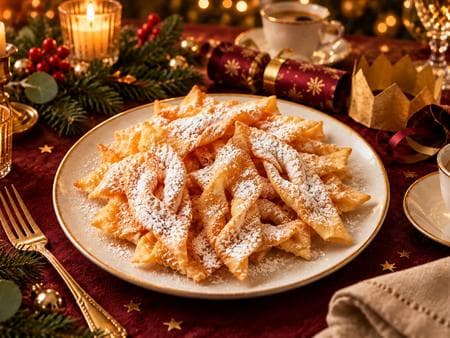
From Authentic-ish Polish
Faworki Angel Wings
294 kcal, was 554 · 15g protein
Faworki, or angel wings, are ribbons of pastry fried until they blister and buried in icing sugar. This version bakes them, with cottage cheese and yoghurt in the dough, and they come out with a cracker-like snap rather than the fried shatter. A plate of them with coffee is a fine end to a winter party.
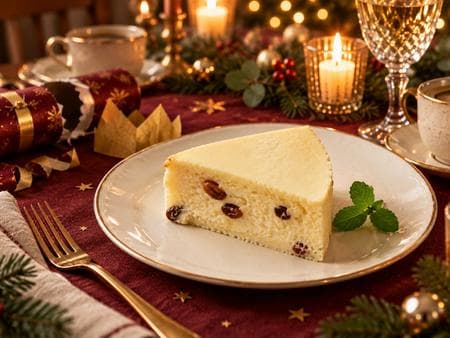
From Authentic-ish Polish
Sernik Cheesecake
238 kcal, was 370 · 22.5g protein
Sernik is the Polish baked cheesecake: twaróg or quark, eggs and a little sugar, set gently, denser and less sweet than a New York cheesecake. Quark makes it naturally high in protein. This version uses quark throughout and cuts the sugar. It serves 8, and it is one of the best things in this book to make the day before.

From Authentic-ish Soul Food
Sweet Potato Pie
209 kcal, was 386 · 13.4g protein
Sweet potato pie is the Southern holiday pie, spiced and smooth. The original sits in a buttery pastry crust with plenty of cream. This version drops the crust entirely, uses Greek yoghurt instead of evaporated milk, and lets the sweet potato do the sweetening. Best made the day before and eaten cold.
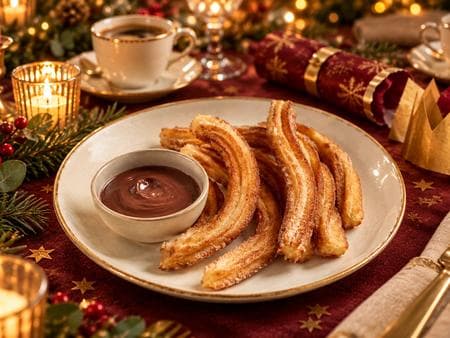
From Authentic-ish Spanish
Churros
204 kcal, was 394 · 12.4g protein
Churros are fried dough rolled in sugar and dunked in thick hot chocolate, a winter treat sold by the bagful in Spain. This version bakes them, adds egg white and a little whey protein, and halves the sugar for dusting. They are still best eaten straight away.

From Authentic-ish Polish
Paczki Doughnuts
325 kcal, was 658 · 11.5g protein
Polish doughnuts with a jam filling, baked rather than fried, and honest about the difference. A plate of them still disappears.